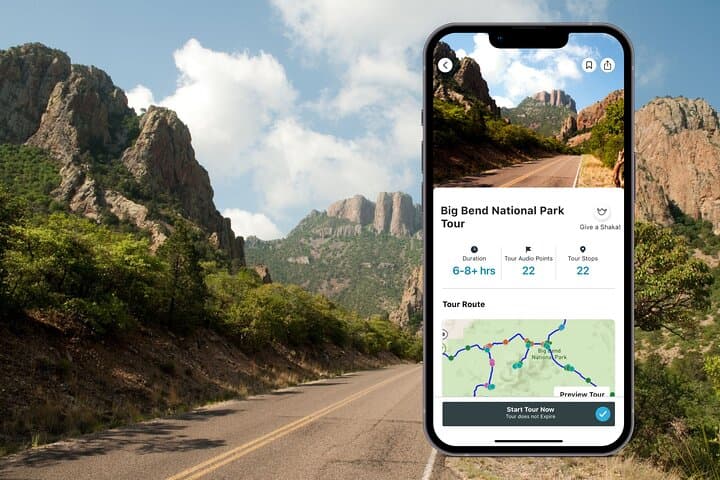
Wilderness Landscape & Natural Heritage
Big Bend National Park, located in southwest Texas along the Mexico–United States border, covers over 800,000 acres of diverse terrain. The park features striking geological formations, including the Chisos Mountains, and the Chihuahuan Desert ecosystem, home to a wide variety of wildlife such as javelinas, coyotes, and over 450 bird species. Historically, native peoples, Spanish explorers, and later settlers have traversed its rugged lands. Outdoor enthusiasts visit Big Bend for hiking, river trips, camping, and stargazing in one of the darkest night skies in the contiguous U.S. The park is notable for the Santa Elena Canyon, balancing large walls of rock towering over the Rio Grande, and the Hot Springs Historic District offering a glimpse into the past and a natural trail along the river.
Big Bend National Park: An Adventure in the Heart of Texas Wilderness
In a land where the earth meets the skies, Big Bend National Park emerges as a captivating expanse of desert spectacle and rugged mountainous beauty. Positioned in the vast terrains of southwest Texas, this park, which stretches over 801,163 acres, embodies geological wonders and a vivid array of wildlife. At its heart are the Chisos Mountains, standing watch over the Chihuahuan Desert, creating a dynamic stage for both daring explorers and contemplative wanderers alike. This is a realm where coyotes are seen dancing at dawn and over 450 bird species orchestrate a chorus of natural melodies.
As you journey into this protected locale, you're welcomed by the Santa Elena Canyon—a majestic rift carved by the unwavering flow of the Rio Grande. The towering canyon walls, often shimmering with the day's light, invite canoers and kayakers to trace their paths along the river's winding course. Yet, the park's call doesn't end here. Venture onto the sun-drenched trails where the hardened earth keeps stories of ancient travelers—a path paved by native peoples and Spanish explorers alike.
The Window Trail is a hike not to be missed, promising a passage to one of nature’s most dramatic vistas. As the path descends into the valley, it delivers you to a V-shaped window, a natural frame for sunset hues that paint the desert landscape. Meanwhile, the Lost Mine Trail offers a moderate hike but rewards intrepid souls with panoramic views stretching over resilient peaks and verdant valleys, creating a perfect setting for photographers and naturalists seeking inspiration.
Big Bend is not merely about breathtaking views but also a testament to the endurance of human and flora/fauna alike. The Hot Springs Historic District enriches your adventure with a dip into the park's past and the cool embrace of native waters. Exploring this area bridges the experience with practical insights into the lives shaping its history. Trek with awareness, as this land demands respect for its trials can be as formidable as they are rewarding.
Practical considerations are essential for the modern adventurer. With temperatures soaring past 100°F in summer, the park is best visited in the milder climes of spring or fall. Hydration is paramount—carry ample water for every journey through this demanding terrain. For those wishing to extend their stay under starlit skies, booking in advance is crucial, especially for the Chisos Basin and Rio Grande Village campgrounds. The land promises not just the darkest nights in the contiguous U.S., but a celestial canvas unmarred by city lights.
Getting here involves navigating highways 385 or 118, with special consideration for vehicles confident on rugged paths. The Panther Junction, Chisos Basin, and Persimmon Gap Visitor Centers serve as valuable waypoints for further guidance.
Big Bend National Park embodies a harmonious balance of natural splendor and historical depth, offering both dreamy escapes and educational retreats for travelers and adventurers alike. Step onto the trails, float on the river, and feel the immense spirit of this land empower your journey. It’s an expedition that will both inspire and inform, a calling to embrace the wild heart of Texas.